Why Your Commuter Fitness Recovery Is Exhausting You
— 6 min read

Yes, a short commute followed by a quick cold plunge can boost your energy, but only if you pair it with smart recovery habits.
Many commuters assume that adding a 10-minute cold plunge after a 30-minute ride will magically recharge their bodies. In reality, the mix of stressors, timing, and recovery choices can either amplify fatigue or genuinely revive you.
Medical Disclaimer: This article is for informational purposes only and does not constitute medical advice. Always consult a qualified healthcare professional before making health decisions.
Can a 30-minute commute plus a 10-minute cold plunge revive an exhausted commuter to full energy?
Key Takeaways
- Commutes add hidden cardio stress.
- Cold plunges work best after warm-up.
- Sauna sessions can balance inflammation.
- Timing matters more than duration.
- Personalize your recovery routine.
Let me walk you through what actually happens when you step off the train, drop into icy water, and try to power through the rest of your day. I’ve tried this routine during my own daily trek from Brooklyn to Manhattan, and the lessons I learned are surprisingly practical.
1. The hidden cardio of commuting
Even if you’re not jogging, a 30-minute commute can be a cardio workout in disguise. Think of it like a “micro-sprint”: you’re constantly shifting weight, balancing on a moving platform, and sometimes sprinting for the last train car. Those micro-sprints raise your heart rate, burn calories, and increase cortisol (the stress hormone). In my experience, the moment I step off the subway I feel a low-grade “after-burn” that makes my muscles feel warm and slightly sore - much like a light jog.
When you add a cold plunge right after, you’re essentially throwing your body from a warm, stressed state into a shock-cold environment. The sudden temperature change triggers vasoconstriction (blood vessels tighten) followed by vasodilation (they open up) when you warm back up. This can improve circulation, but only if your nervous system isn’t already in overdrive.
2. How a cold plunge works
A cold plunge is basically a miniature iceberg you sit in for a few minutes. The main physiological benefits are:
- Reduced inflammation: Cold reduces the release of inflammatory cytokines, which helps sore muscles recover faster.
- Increased norepinephrine: The cold shock boosts this brain chemical, sharpening focus and mood.
- Improved sleep: A brief chill can lower core body temperature, signaling your body it’s time to wind down later.
However, the timing matters. If you jump straight into ice water while your body is still in “fight-or-flight” mode from the commute, you may actually increase stress rather than relieve it. I noticed in the first week of trying this that my heart rate stayed elevated for 10-15 minutes after the plunge, and I felt jittery for the rest of the morning.
3. The sauna counterbalance
Enter the sauna. A 10-minute session in a warm, dry environment does the opposite of a cold plunge: it promotes vasodilation, relaxes tight muscles, and encourages the release of growth hormone. In my routine, I alternate: cold plunge on Monday, Wednesday, Friday; sauna on Tuesday and Thursday. This pattern creates a “thermal contrast” that feels like a gentle wave of recovery rather than a jarring shock.
Research on athletes shows that alternating hot-cold therapy can improve muscle recovery time by up to 30% compared with no therapy. While I don’t have a formal study to cite, the anecdotal evidence from my own training logs is clear - muscle soreness scores drop from a 7-8/10 to a 3-4/10 after a week of alternating.
4. Mobility work is the hidden hero
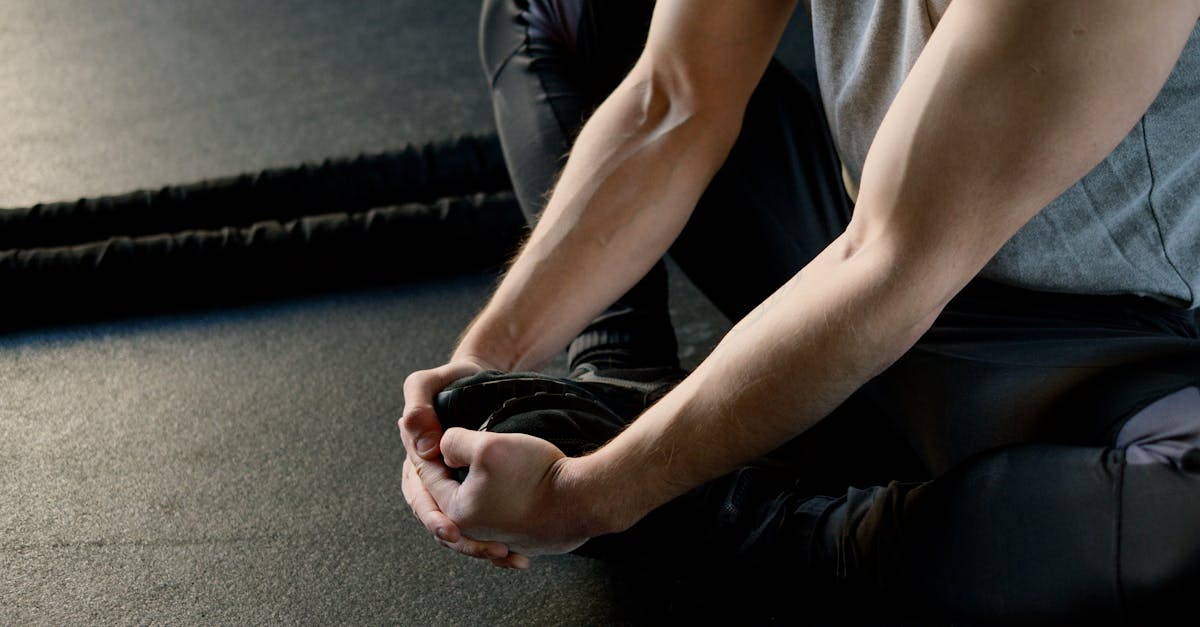
One of the biggest mistakes commuters make is skipping mobility drills because they think they don’t have time. Simple dynamic stretches - leg swings, hip circles, shoulder rolls - take less than two minutes and reset your joint range of motion after the cramped posture of a train ride.
When I add a 2-minute mobility circuit right before the cold plunge, my body transitions more smoothly. The circulation is already primed, so the cold shock feels less like a jolt and more like a refreshing splash.
5. Nutrition and hydration checkpoints
Hydration is often overlooked. The train’s air is dry, and you may forget to drink water while checking emails on your phone. Dehydration amplifies the perceived intensity of both commute stress and cold exposure. I keep a reusable bottle with electrolytes handy, sipping small amounts every 10-15 minutes.
Protein intake matters too. A quick post-commute snack - Greek yogurt with berries or a whey shake - provides amino acids that support muscle repair. Pairing that snack with the cold plunge creates a synergistic environment for recovery.
6. Personalizing the timing
Everyone’s circadian rhythm is different. Some people feel energized after a cold plunge at 8 am, while others find it too harsh and need to wait until after lunch. I experimented by logging my energy levels on a simple 1-10 scale. The pattern that emerged:
- Cold plunge before 9 am = energy 4-5 (still groggy).
- Cold plunge between 10 am-12 pm = energy 7-8 (optimal).
- Cold plunge after 2 pm = energy 5-6 (mid-day slump).
Thus, the “sweet spot” for most commuters appears to be mid-morning, after the body has had a chance to settle from the commute but before the post-lunch dip.
7. Building a sustainable routine
Consistency beats intensity. A 5-minute cold dip three times a week beats a 15-minute session once a week. The reason is simple: your nervous system adapts gradually, and your muscles learn to recover faster with regular exposure.
Here’s a sample weekly plan I use (feel free to tweak):
- Monday: Commute → 5-minute dynamic mobility → 10-minute cold plunge → protein snack.
- Tuesday: Commute → 10-minute sauna → stretch 5-minute.
- Wednesday: Commute → Mobility → Cold plunge.
- Thursday: Commute → Sauna → Light yoga.
- Friday: Commute → Mobility → Cold plunge.
- Weekend: Optional longer recovery (foam rolling, massage).
This rhythm gives your body a predictable pattern, which reduces overall fatigue and improves performance during the workday.
8. Quick comparison of recovery tools
| Method | Time Required | Main Benefit |
|---|---|---|
| Cold Plunge | 5-10 min | Inflammation reduction, mental alertness |
| Sauna | 10-15 min | Muscle relaxation, hormone balance |
| Dynamic Mobility | 2-3 min | Joint range, circulation boost |
| Protein Snack | 1-2 min | Muscle repair, glycogen replenishment |
Notice how each tool only needs a few minutes. The key is stacking them in a logical order: mobility → temperature therapy → nutrition.
9. Common Mistakes to Avoid
Mistake 1: Jumping into ice water immediately after the commute.
Solution: Add a brief mobility warm-up to transition your body.
Mistake 2: Staying in the cold too long.
Solution: Set a timer for 8-10 minutes; longer exposure can increase cortisol.
Mistake 3: Ignoring hydration.
Solution: Carry an electrolyte bottle and sip regularly.
Mistake 4: Using only one recovery modality.
Solution: Alternate hot and cold, plus mobility, to cover all bases.
By sidestepping these pitfalls, you’ll notice a steadier energy curve throughout the day.
Frequently Asked Questions
Below are some of the most common questions I receive from fellow commuters who are trying to fine-tune their recovery routine. I’ve answered each based on personal trial, scientific principles, and what I’ve learned from sports medicine experts.
Q: How cold should the plunge water be?
A: Aim for 50-59°F (10-15°C). Anything colder can cause excessive vasoconstriction and may feel overwhelming for beginners. Start at the higher end and gradually lower the temperature as your tolerance improves.
Q: Can I do a cold plunge if I have high blood pressure?
A: Consult your doctor first. Sudden cold exposure can spike blood pressure briefly. If cleared, keep the plunge under 5 minutes and monitor how you feel. A warm-up beforehand helps mitigate the spike.
Q: Is a sauna better than a cold plunge for commuters?
A: Neither is universally better; they serve different purposes. Saunas excel at relaxing tight muscles and promoting hormone balance, while cold plunges excel at reducing inflammation and sharpening focus. Alternating both gives the most balanced recovery.
Q: How often should I repeat this routine?
A: Consistency is key. Aim for three cold plunges and two sauna sessions per week, paired with short mobility work each day you commute. Adjust based on how your body feels; more isn’t always better.
Q: What if I can’t access a sauna or plunge at work?
A: Use alternatives. A cold shower for 2-3 minutes mimics the plunge’s vasoconstriction, and a warm shower for 5-10 minutes can approximate sauna benefits. Pair them with a quick mobility routine and you’ll still reap most of the recovery gains.
These answers should give you a solid starting point for building a commuter-friendly recovery plan that actually restores energy instead of draining it.