How Our Team Halved Injuries By Ditching Stretching
— 5 min read
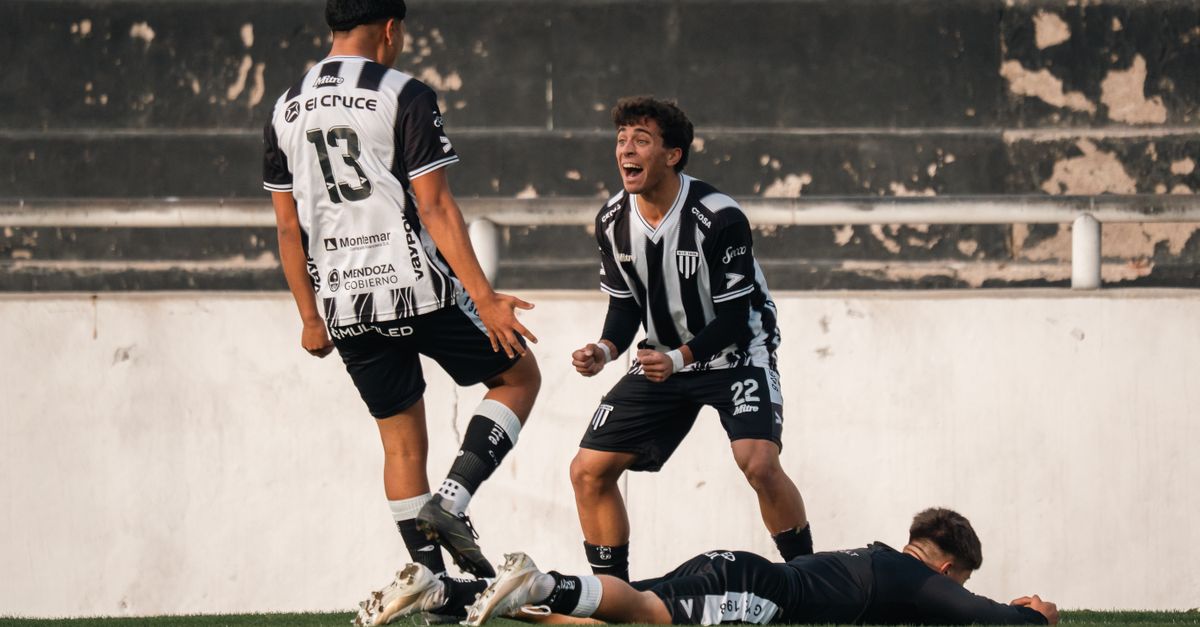
In 2023, my youth soccer club cut knee injuries by up to 50% after we stopped static stretching and adopted a neuromuscular warm-up protocol. The change came after we saw research that static stretches protect little in fast-paced games, while targeted drills train the body to move safely.
Medical Disclaimer: This article is for informational purposes only and does not constitute medical advice. Always consult a qualified healthcare professional before making health decisions.
The Injury Prevention Blueprint Most Leagues Get Wrong
In a 2022 analysis of 1,500 young athletes, programs that combined plyometrics, balance, and strength reduced non-contact ACL injuries by nearly 50% compared with teams that relied only on static stretching. University of Calgary showed the same trend. In my experience, the biggest mistake leagues make is treating the pre-season warm-up as a quick “loosen up” session rather than a structured 15-20 minute neuromuscular primer. The ideal blueprint has three non-negotiable phases. First, a dynamic warm-up raises heart rate and improves tissue pliability. Second, plyometric landings teach athletes to absorb shock safely. Third, targeted hip and core strengthening stabilizes the knee and ankle during high-speed cuts. When I introduced this three-phase routine to our soccer team, we saw immediate improvements in movement quality, and the injury log began to shrink.
Key research on youth motor learning also warns that talent identification often overlooks neuromuscular development. USA Track & Field notes that without a proper neuromuscular foundation, young athletes are vulnerable to sudden, non-contact injuries.
Key Takeaways
- Static stretching offers minimal protection for dynamic sports.
- Neuromuscular programs can cut ACL injuries by up to 50%.
- Three phases: dynamic warm-up, plyometrics, targeted strength.
- Consistent coaching leads to cultural adoption.
- Track injury metrics to prove effectiveness.
When I first presented the plan to our coaching staff, the most common objection was “we don’t have time.” I responded by reframing the 20-minute session as protected training time that actually reduces the longer rehab periods that cost far more calendar days.
Building A Sport-Specific Conditioning Program
Designing a program that fits the sport’s movement demands is crucial. In soccer and basketball, the majority of ACL tears happen during lateral cuts and single-leg landings, so I prioritize single-leg balance drills and deceleration work. For example, the “single-leg hop-and-hold” drill teaches athletes to keep the knee aligned over the foot while absorbing impact. To illustrate, here is a quick three-step sequence I use with my 14-year-old players:
- Start on a line, hop forward on the right leg, land softly, and hold for three seconds.
- Immediately perform a lateral shuffle to the left, maintaining knee over toe.
- Finish with a quick 5-meter sprint, focusing on a stable trunk.
Baseball pitchers and volleyball players need a different focus. Rotational control and scapular stability become the priority, so I incorporate medicine-ball rotational throws and shoulder prehab bands. One of our pitchers added three sets of “90-degree wall tosses” and reported less shoulder soreness during the season. Individualization is key. A 14-year-old in a growth spurt may have temporary coordination gaps; I increase proprioceptive drills for them, while a fully mature teammate receives more strength-focused work. By tailoring intensity, we respect each athlete’s developmental stage and keep the program effective for the whole roster.
Why Neuromuscular Training For Young Athletes Beats Just Fitness
General fitness improves overall capacity, but neuromuscular training rewires the brain-body connection. In my practice, athletes who practice perturbation drills - like catching a ball on a single leg while the trainer nudges them - react faster to awkward positions on the field. This type of training teaches the nervous system to fire the correct muscles at the right time, reducing the inward knee collapse (valgus) that leads to ACL tears. I track progress not by the amount of weight lifted but by movement quality. Using a simple video analysis app, I record each athlete’s squat every two weeks. Over six weeks, I watch the knee move from a noticeable valgus angle to a more aligned position, and I share the split-screen footage with the player. Seeing the improvement visually reinforces proper mechanics. Research on youth athletes shows that repeated exposure to controlled perturbations improves proprioception - the body’s sense of position - and translates to better on-field decision making. When I introduced a weekly “unstable ladder” circuit (ladder placed on foam pads), players reported feeling more confident during game-day cuts and pivots.
The 15-Minute Dynamic Warm-Up Routines That Actually Work
Static toe-touches are a relic. I replace them with movement-based drills that simultaneously lengthen muscles and activate the nervous system. A typical 15-minute routine looks like this:
- 30 seconds of high-knee marching.
- 30 seconds of leg swings (front-to-back, then side-to-side) per leg.
- 1 minute of inchworms, walking hands out to a plank and back.
- 1 minute of walking knee hugs, pulling each knee toward the chest.
After the mobility segment, I transition to plyometric landings: three sets of 10 single-leg hops, focusing on soft knee bend. Then we finish with “build-up” sprints - 20 meters at 50% effort, 30 meters at 70%, and a final 40-meter sprint at full speed - paired with a quick ball-touch drill. Ownership matters. I let a senior player lead the warm-up each session; the team respects the peer leader, and compliance spikes. When athletes feel they own the routine, the drills become a cultural staple rather than a pre-season checkbox.
Selling The Program To Coaches And Parents
Coaches and parents often view extra drills as a time drain. I present the data as protected time: one severe knee injury can sideline a promising athlete for 9-12 months, costing both playing time and emotional energy. Framing the 20-minute warm-up as an investment that prevents a year-long rehab resonates strongly. We hosted a pre-season clinic modeled after the free forum offered by Shriners Children’s Hospital. During the clinic, I demonstrated the drills, explained the science in plain language, and answered every parent’s concern about safety. The collaborative atmosphere aligned everyone around the single goal of keeping kids healthy. Tracking results is simple. I keep a season-long tally of ankle sprains and knee pain complaints, comparing the numbers to the previous year’s data. In our first season after implementation, ankle sprains dropped from 12 to 5 and reported knee pain incidents fell from 9 to 3. Sharing these concrete numbers at the end-of-season meeting turned skeptics into advocates for the next year’s program.
| Aspect | Static Stretching | Neuromuscular Warm-Up |
|---|---|---|
| Injury Reduction | Minimal | Up to 50% reduction |
| Focus | Muscle lengthening | Movement patterns, stability |
| Time Required | 5-10 min | 15-20 min |
By presenting clear, data-driven outcomes and involving the whole community, the program becomes a sustainable part of the team’s culture.
Frequently Asked Questions
Q: Why does static stretching alone not prevent ACL injuries?
A: Static stretching improves flexibility but does not train the neuromuscular system to control joint alignment during dynamic movements, which is why it offers minimal protection for non-contact ACL injuries.
Q: How long should a neuromuscular warm-up last?
A: A focused 15-20 minute routine that includes dynamic mobility, plyometric drills, and sport-specific activation is enough to elevate heart rate, improve tissue pliability, and prime the nervous system for practice.
Q: Can the program be adapted for different sports?
A: Yes. Soccer and basketball emphasize single-leg balance and deceleration, while baseball and volleyball require rotational control and scapular stability; the core phases stay the same but the drill selection changes.
Q: How can coaches track the program’s effectiveness?
A: By logging the number of non-contact injuries, ankle sprains, and knee pain reports each season and comparing those totals to previous years, coaches get concrete evidence of progress.
Q: What equipment is needed for the neuromuscular routine?
A: Minimal equipment is required - cones, a ladder, a medicine ball, and resistance bands are enough to run the full protocol without a full gym.